
Current selection
Dream, ambition, and disillusionment
Our discussion follows how aspiration changes when it meets the demands of work, family, reputation, and artistic identity.
See the discussion dateBook Club
Our reading list is intentionally limited. Fewer selections create more room for rereading, passage work, contextual discussion, and connections between books across a season.

Seasonal reading list
The current sequence moves across memory, place, ambition, estrangement, and the pressure that social expectations place on private life.
Our discussion follows how aspiration changes when it meets the demands of work, family, reputation, and artistic identity.
See the discussion date
We read selected poems aloud, then examine rhythm, recurring images, address, and the relationship between intimate language and public feeling.
Find the poetry salon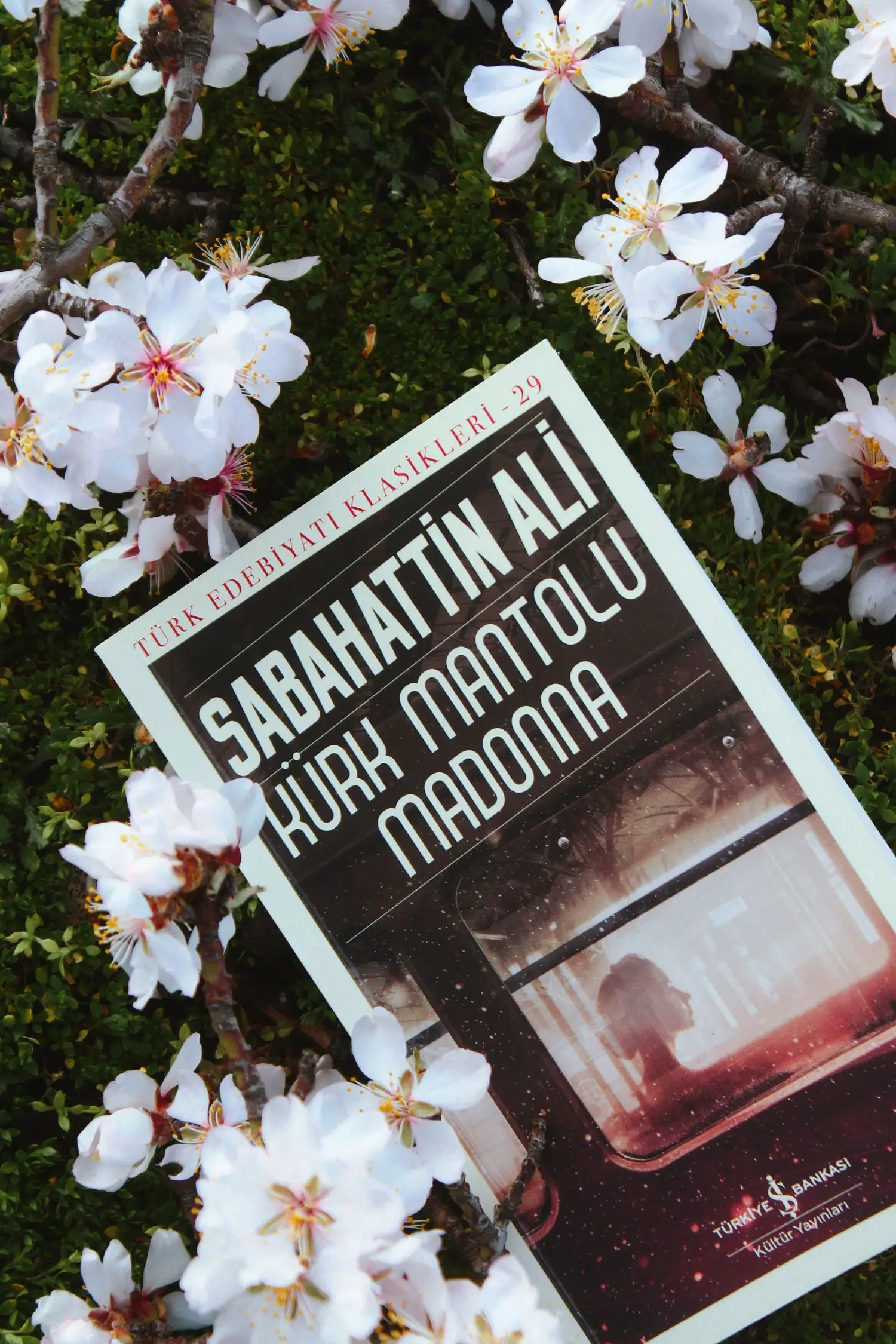
The group will compare what characters say, what they withhold, and how narrative distance changes our sympathy.
Ask about joiningDiscussion framework
The format keeps the room focused without turning conversation into a lecture.
Readers identify a moment, image, or question that stayed with them. No defence is required yet; the goal is to hear the range of responses in the room.
We return to specific sentences and scenes. Attention shifts to diction, rhythm, perspective, structure, omission, and repetition.
A short moderator note adds relevant literary or historical context, enough to clarify the conversation without replacing it.
Members test larger claims against the text and compare where different readings rely on different details.
We finish by naming what changed during the conversation and which questions deserve to remain unresolved.
Preparing for a meeting
A useful contribution can begin with a single marked passage and a precise question.

One marked paragraph can sustain a better hour than ten pages of summary.
Our meetings reward evidence, curiosity, and attentive listening.